
Martin Schneider, MD/PhD
Co-Founder & Chief Scientific Officer
Stanford Medicine. Bridges clinical practice and translational research.
A venture-backed health-tech company
DataValue is building the Personal Health Data Agent — infrastructure that lets you aggregate, understand, and license your own medical data. Patients earn from every licensing transaction. Pharmaceutical research gets cleaner, fully-consented data. The middle layer that has historically captured the value gets disintermediated.
Founded by
Co-Founder & Chief Scientific Officer
Stanford Medicine. Bridges clinical practice and translational research.

Co-Founder & CEO
Founder of Eat Your Kimchi (620M views) and Build a Ladder community (1M+ members).
A note from the founders
For most patients with chronic illness, health data is something that happens to them. Specialists collect it, hospitals store it, brokers sell it, pharmaceutical companies use it — and the patient whose body produced the data sees almost none of the value.
We've spent our careers on opposite sides of this asymmetry. Martin has spent years inside the clinical research and data ecosystem, watching how patient information flows through pharmaceutical pipelines without returning to the people who generated it. Simon has spent twelve years building communities of patients with chronic illness — over one million of them — who repeatedly articulated the same problem: they want to participate in research that might help them, but the system gives them no way to do so on their own terms.
DataValue is what we've been building to address that. The Personal Health Data Agent aggregates a patient's full medical history, helps them understand it through AI, and lets them choose — on their own terms, with full consent — to license their data to pharmaceutical research. Patients earn from every license. Pharma gets cleaner, longitudinal, consented data. The middle layer that has historically captured the value gets disintermediated.
The technology and the timing are finally there. The European Health Data Space comes into force in 2029. AI tools are increasingly asking patients to upload health data they don't yet control. The infrastructure to put patients at the center has to exist soon, or it'll be built by someone whose interests aren't aligned with theirs.
We're building it because we believe it should exist, and because the communities we've spent our careers serving have been asking for it for years.
— Martin Schneider, MD/PhD & Simon Stawski
Our approach
Today, your medical data is fragmented across hospitals and brokered without your knowledge. We're rebuilding the stack so the patient is the principal — not the product.
Pull medical records, labs, wearables, and imaging into a single, structured personal vault — under your control, not a hospital's.
An AI agent translates your data into plain language, surfaces patterns, and helps you ask sharper questions of your clinicians.
Opt in to license de-identified data to vetted research. You set the price floor. You earn every time it's used.
DataValue Community Sessions
An open community session covering how patient data flows through today's health system, who captures the value, what's about to change, and the choices patients can start making now.
Presented by Martin Karl Schneider, MD, PhD
Stanford Medicine · Co-Founder, DataValue
Part of DataValue's commitment to community education on patient data rights and the evolving health data economy.
Publications
Our article has been published in BMJ Digital Health and AI.
Published Article
Harnessing Patient Health Data to Benefit Individuals and Advance Research: A Focus on Rheumatoid Arthritis — a narrative review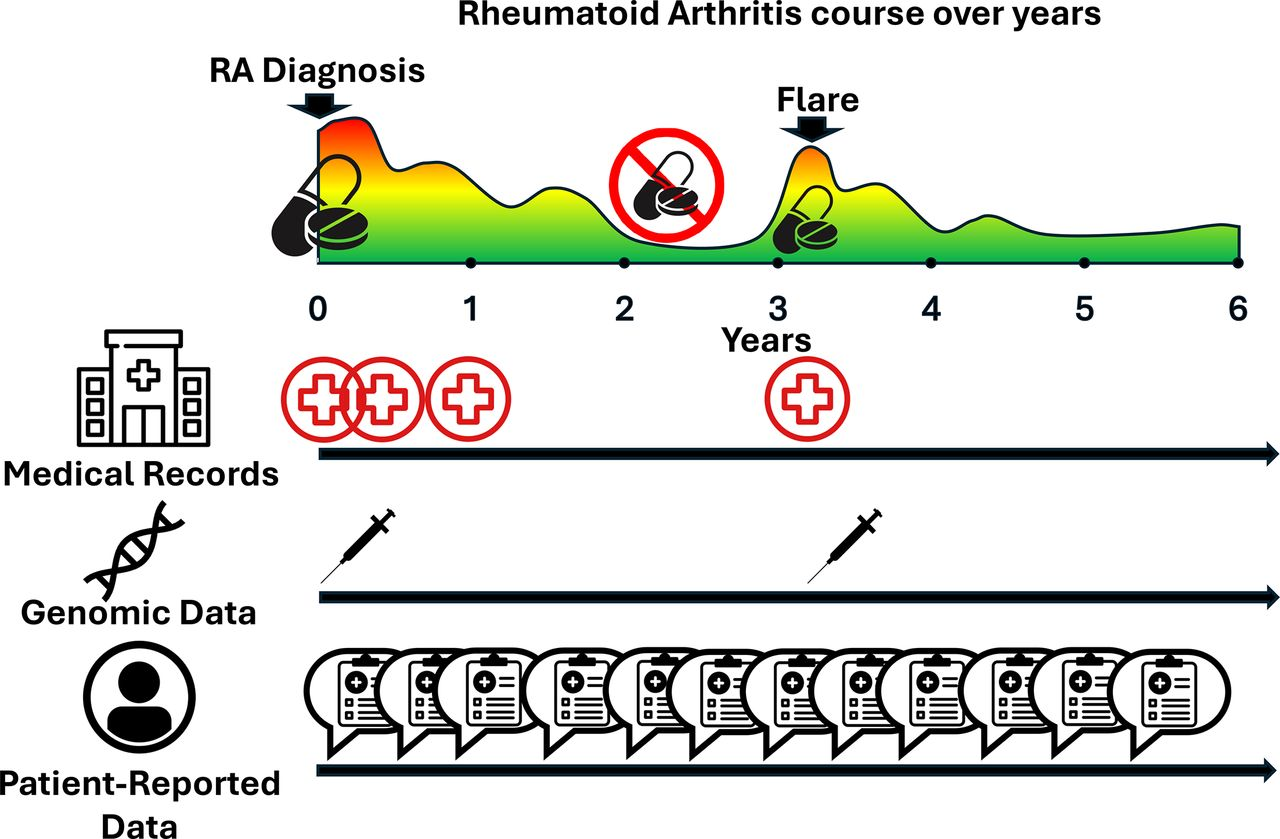
In the news

NBC News · April 8, 2026
A growing social media trend shows people turning to AI chatbots like ChatGPT and Claude to interpret their medical test results and answer health questions.
Read article →

The Wall Street Journal · April 4, 2026
When you connect medical records and health data to a chatbot, you get results. But you must understand the risks.
Read article →
KFF · March 25, 2026
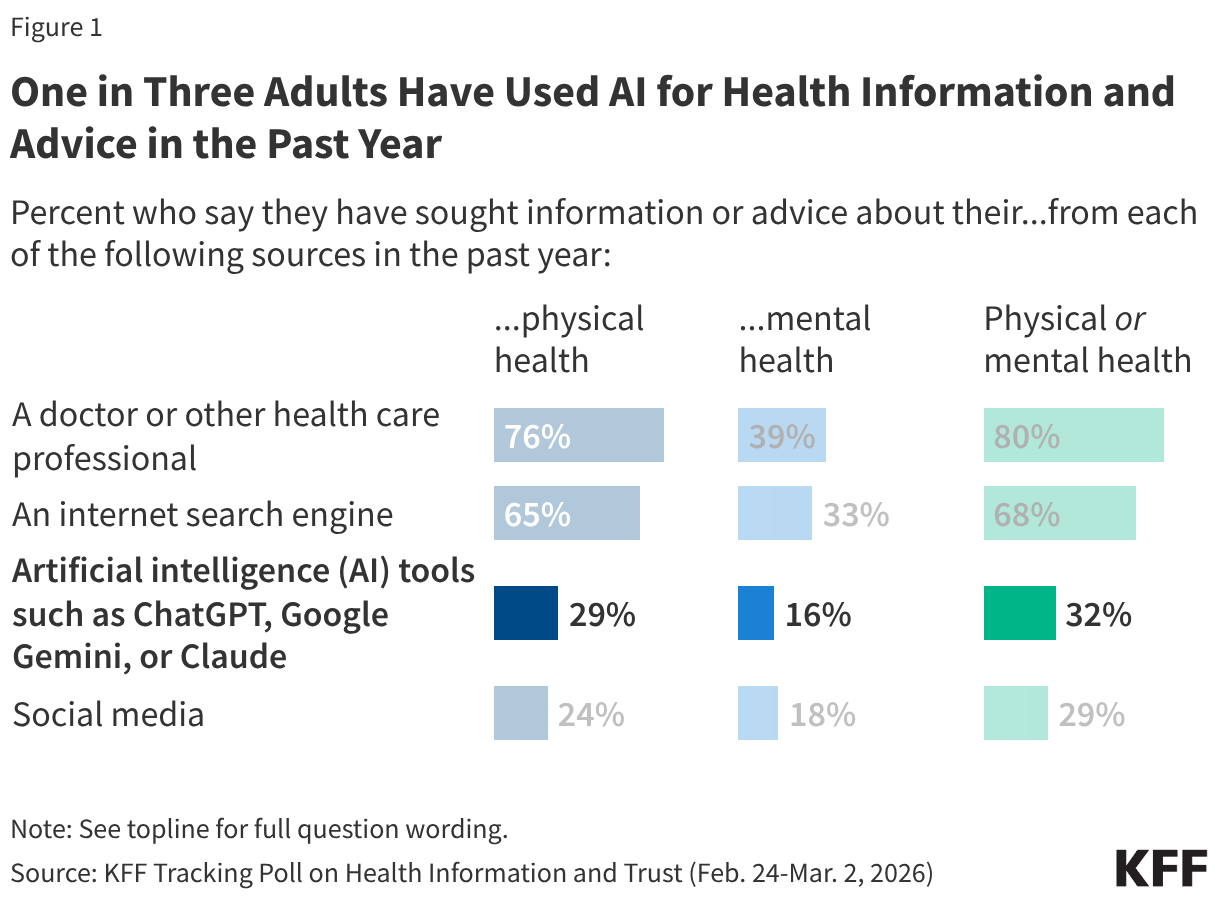
KFF poll finds about a third of adults use AI for health advice, with 77% concerned about privacy of medical data shared with AI tools. Despite concerns, 41% of AI health users have uploaded personal medical information.
Read article →

Forbes · Aug 20, 2025
Medical records have transformed from simple care tools into valuable commodities. This article explores who profits from your health data — and how much it's really worth.
Read article →
Questions
Not yet. We're in early development and building openly with our community. Joining now means you'll shape the product and get first access.
When you opt in, de-identified slices of your data can be licensed to research partners. Smart contracts route revenue back to you on every use — you set your minimum price.
Data stays in a vault you control. Licensing happens on de-identified, consented subsets. You can revoke access at any time and see every transaction in a transparent audit log.
DataValue is venture-backed by investors aligned with patient-first health infrastructure. We don't sell data — we build the rails.
Join the community
Monthly updates, invitations to the community session, and early access when the agent goes live.